Sushi had too much rice not enough fish. I normally order sashimi. Someone else was paying for lunch and ordered the all you can eat sushi. The sushi was good I just had too much rice it was a great experience a nice little restaurant enjoyable would go back again this time or during the (pieces of fish) sashimi.
Overview
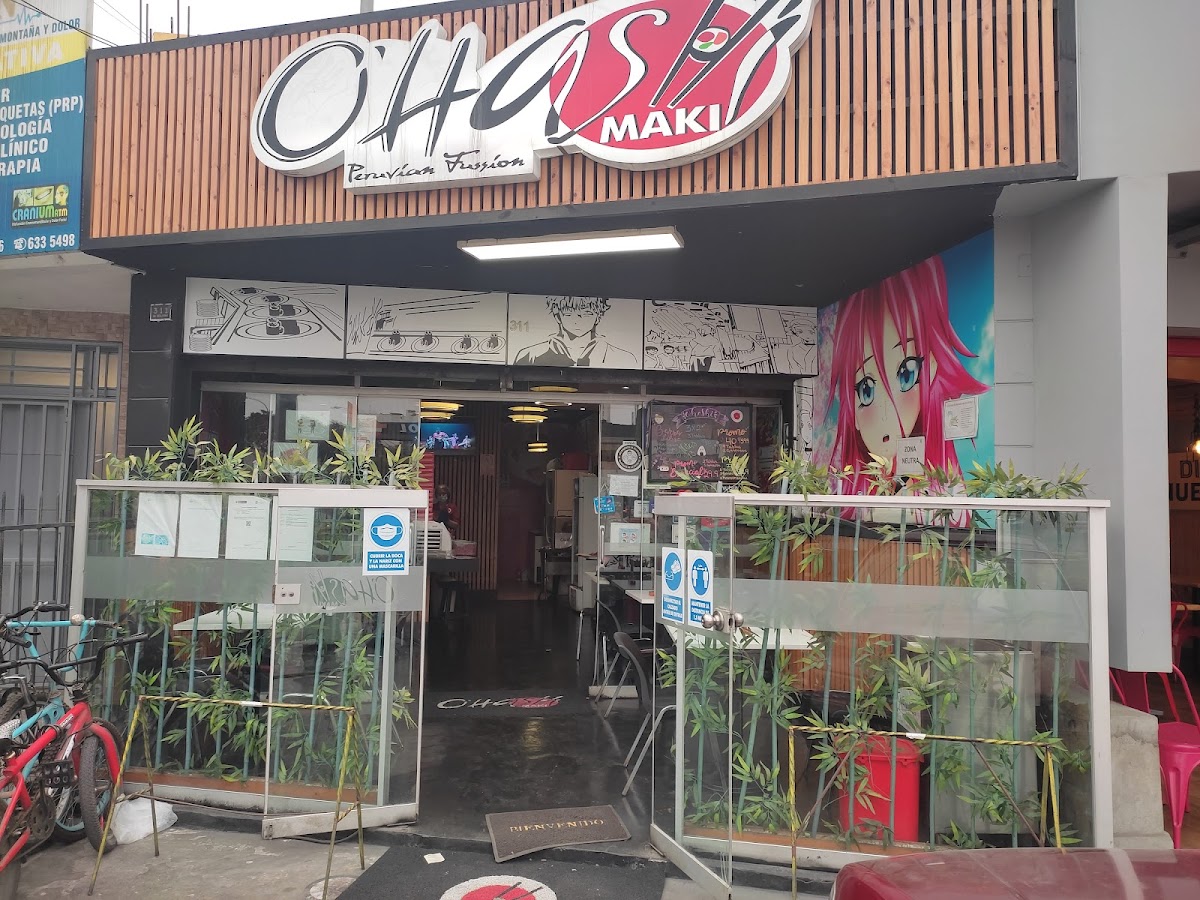
Walking into Ohashi Maki Pueblo Libre feels like stepping into a neighborhood spot that knows exactly what it’s doing. I first stopped by on a quiet weekday evening after hearing consistent praise from locals, and what stood out immediately was the calm confidence of the kitchen. No theatrics, no rushed service-just steady plates coming out, one after another, each looking carefully assembled. The restaurant sits at Av. Simón Bolívar 311, Pueblo Libre 15084, Peru, an easy-to-reach stretch that locals often associate with casual dining rather than standout Japanese-Peruvian food, which makes this place a pleasant surprise.
The menu leans heavily into maki rolls, nigiri, and familiar Nikkei-style combinations. What impressed me most was how the rice was handled. Sushi rice is one of those things people overlook, yet research from the Japanese Culinary Academy consistently points out that temperature and seasoning balance are critical to flavor perception. Here, the rice arrives slightly warm, lightly seasoned, and never mushy. During one visit, I asked the server about their preparation, and she explained that rice is cooked in small batches throughout service, a process that mirrors what many sushi schools in Tokyo recommend for consistency and texture.
One roll that kept showing up on neighboring tables was the acevichado maki, topped with a tangy sauce that blends citrus and chili without overwhelming the fish. Another standout was a tempura roll with shrimp that stayed crisp all the way through the meal, which tells you the oil temperature is being monitored closely. According to food safety guidelines published by Peru’s Ministry of Health, maintaining stable frying temperatures is essential not only for taste but also for reducing oil degradation. That attention to process shows up on the plate.
Beyond the food, the overall experience feels intentionally relaxed. On my second visit, I came with two friends who aren’t particularly into Japanese cuisine, and even they found the menu approachable. That balance between authenticity and accessibility is hard to pull off. Reviews from local diners often mention the friendly explanations offered by staff, especially when someone is unsure what to order. That kind of service builds trust, and it’s something hospitality experts frequently highlight as a key factor in repeat visits.
Portion sizes are reasonable, neither oversized nor skimpy, which makes it easy to sample multiple items. Prices fall into what most Pueblo Libre residents would consider fair, especially given the quality of ingredients. While exact sourcing details aren’t fully disclosed, staff have mentioned that fish deliveries come in several times a week. The only limitation worth noting is that during peak dinner hours, seating can fill up quickly, and waits may stretch longer than expected. Planning an early visit helps avoid that.
The location itself adds to the charm. Being set along Simón Bolívar means you’re surrounded by residential life rather than tourist crowds, which gives the place an authentic, everyday feel. I’ve noticed families dining together, solo guests enjoying a quiet meal, and small groups sharing rolls, all within the same hour. That mix says a lot about how well the restaurant fits into the local dining scene.
From menu execution to service consistency, everything points to a team that understands both technique and customer expectations. It’s not trying to reinvent Japanese cuisine, and that’s exactly why it works. Instead, it focuses on doing the basics well, applying proven methods, and listening closely to what diners respond to, which is why so many reviews remain positive over time.
Good to know
Service options
✓ No-contact delivery ✓ Delivery ✓ Takeaway ✓ Dine-inHighlights
✓ Great tea selectionPopular for
✓ Lunch ✓ Dinner ✓ Solo diningAccessibility
✓ Wheelchair-accessible entrance ✓ Wheelchair-accessible seating ✓ Wheelchair-accessible car parkOfferings
✓ Alcohol ✓ All you can eat ✓ Beer ✓ Quick bite ✓ Small platesDining options
✓ Brunch ✓ Lunch ✓ Dinner ✓ Dessert ✓ Table serviceAmenities
✓ ToiletAtmosphere
✓ Cosy ✓ Quiet ✓ TrendyCrowd
✓ Groups ✓ Tourists ✓ University studentsPlanning
✓ Accepts reservationsPayments
✓ Credit cards ✓ Debit cards ✓ NFC mobile payments ✓ Credit cardsChildren
✓ Good for kidsParking
✓ Free of charge street parking ✓ Free parking lot ✓ ParkingPhotos
1 / 4
Location
Reviews
- No ratings yet 2496 reviews
There is a lack of Service. Food is in expensive and delicious, the restaurant has good Iocation.
It was really pleasent i enjoy it and so did my girlfriend i recommend it!!
Loooove the maki 'parrillero'. Super affordable and the Barra Libre is the best option.